✦ Why Cozumel ✦
An Island Sanctuary for
Hope and Healing.
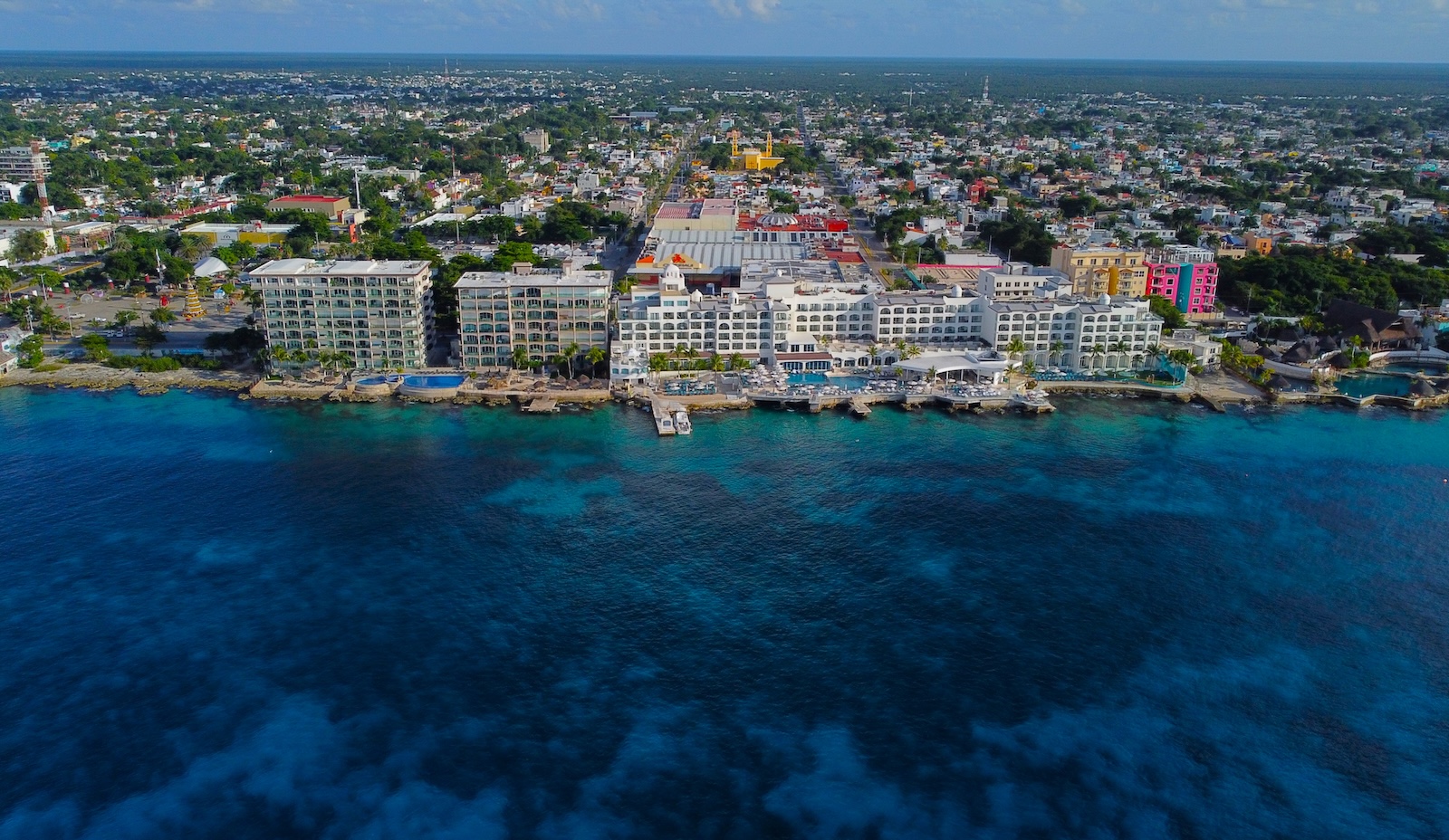
Cozumel's calm, beauty, and privacy create space for life-changing transformation.
The setting is part of the treatment✦ Why Cozumel ✦
Cozumel's calm, beauty, and privacy create space for life-changing transformation.
The setting is part of the treatment
Many of our patients have spent weeks or months in environments that are almost antithetical to healing: linoleum corridors, harsh neon lights, recycled air, and everyone mixed in together with little room to breathe. Those places may be trying to help, but they often leave the nervous system braced, exhausted, and on edge.
This sanctuary was built to be the opposite of that. Here, the physical environment, the slower pace of the island, and a Christ-centered community are all aligned toward the same goal: giving your mind, body, and spirit space to rest, reset, and respond to care.
Geographic separation from familiar environments and triggers is one of the most evidence-based factors in lasting recovery. The brain needs a break from the cues that built the patterns in the first place. Cozumel offers that break — and adds a calm, supportive community and a created world that work together to support real, lasting change.
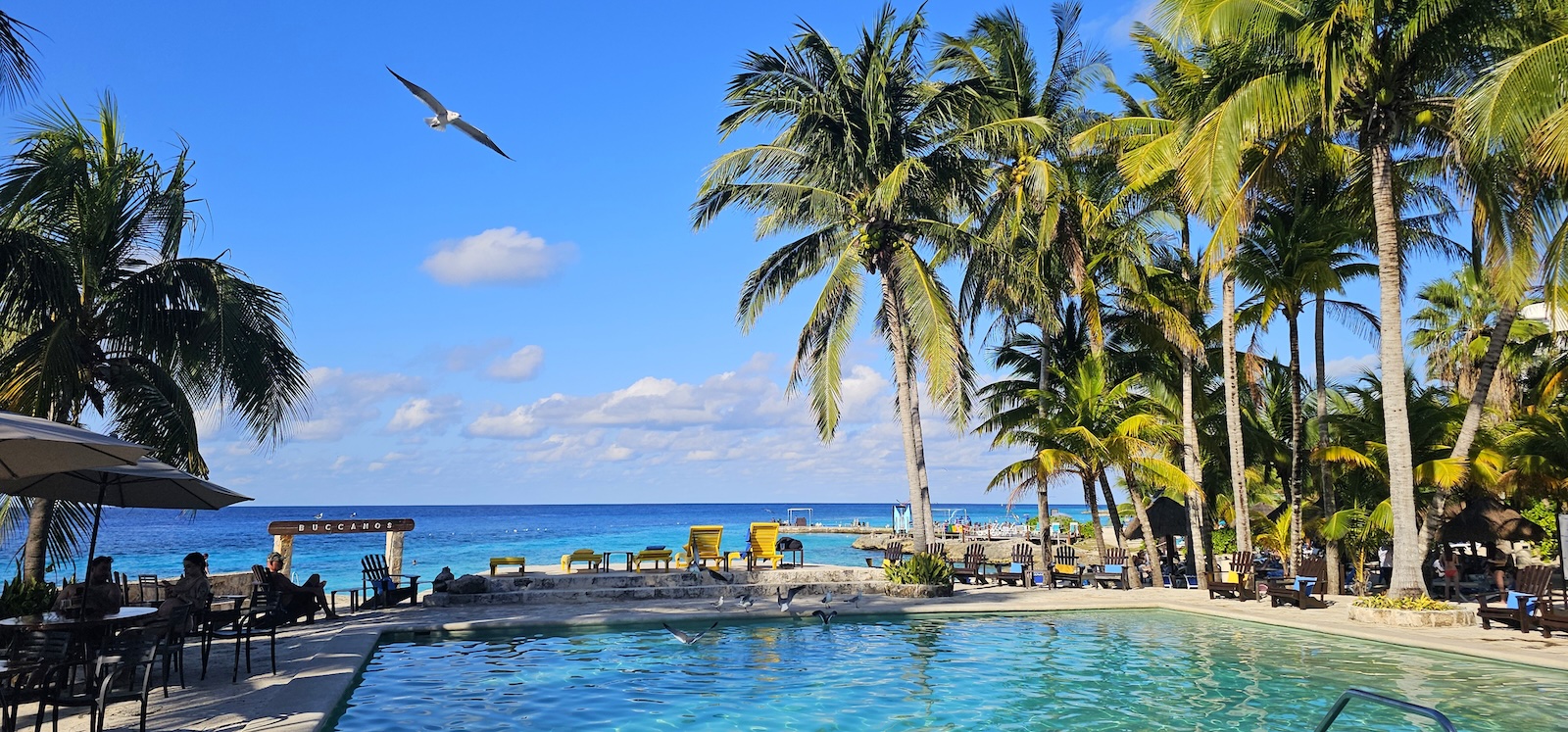
Lasting transformation does not happen by willpower alone. It happens when the three core axes of change are addressed in the same safe space: the story of your attachment and relationships, the way life has shaped your nervous system, and the trauma you have carried — sometimes for years. Cozumel gives you the distance, calm, and containment needed to do that work without being pulled back into old roles and reactions every day.
Here, physical and emotional safety are the starting point, not an afterthought. The environment is quiet, predictable, and human-scaled. Staff are trained to watch for signs of dysregulation, to slow things down when needed, and to help you notice what is happening inside your body as you process what has happened in your story.
How this environment supports the three axes of transformationA small, consistent community allows you to experience relationships that are reliable, attuned, and honest — often very different from what you have known. Over time, that consistency gives your brain new templates for what it can expect from other people.
Natural light, ocean air, unhurried rhythms, and dedicated quiet spaces all work together to help your nervous system move out of constant fight-or-flight. As your body experiences safety, it becomes possible to take in new information and make new choices.
Trauma-informed therapy happens in rooms and rhythms that do not overwhelm you. There is enough privacy to feel safe, enough beauty to remind you that life is bigger than what hurt you, and enough time to integrate what you are processing rather than just "getting through" sessions.
In this kind of environment, you are not just talking about change. You are living it — in your relationships, in your body, and in the way your story with God begins to feel less defined by what has happened to you and more by what is being made new.
Recovery research consistently identifies environmental change as a meaningful factor in long-term outcomes. The same hallway, the same chair, the same evening routine, the same neighborhood can keep a brain locked in the same loops — even when the person inside that brain is trying hard to change.
Removing yourself from that environment, fully, for a meaningful period of time, gives the brain the stillness it needs to learn something new. Cozumel is far enough from home to count as a true reset. The flight is a transition. The water surrounding the island is a kind of psychological boundary. By the time you arrive, you have already begun to leave the old patterns behind you and step into a new chapter.
We are a Christian community, and we believe God often meets people through the beauty of what He has made.
Some of the most meaningful moments our patients experience here happen in the quiet: standing at the water's edge before sunrise, watching a storm move across the sea, or sitting in chapel with the windows open and the trade winds moving through.
The island is part of how God reached me here. Leaving it out would leave out part of my story.Why we built Sanctuary in Cozumel
You do not have to share our faith to sense that something sacred is happening in this place; but for those who do, Cozumel becomes a sanctuary where creation itself seems to whisper the nearness and kindness of its Creator.
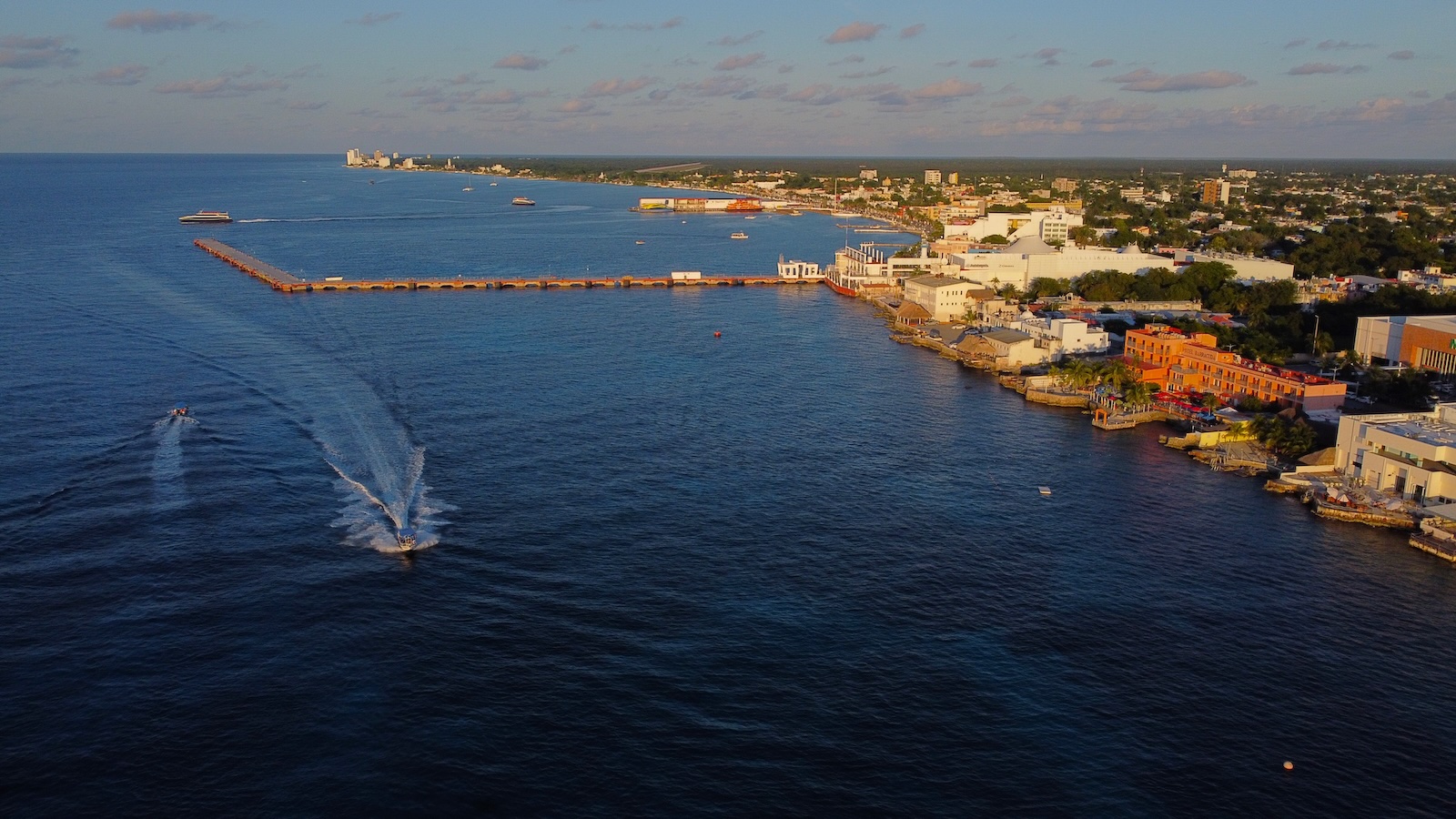
Like many things in life, the places that seem most suited to our needs can also seem impossible to reach. Sometimes the barrier is cost. Sometimes the need has become so urgent that there is no time to wait. Sanctuary Cozumel was built with that reality in mind: a place where excellent care, a healing environment, and practical access come together at the same time.
A 30-day residential program at Sanctuary Cozumel is $4,500. For many families, that is a fraction of what comparable programs in the U.S. and Canada can cost — often closer to one-fifth than two-thirds. The difference is not a lesser standard of care. It is the practical reality of operating in a place where the underlying cost of infrastructure is simply much lower.
Everything from housekeeping and food preparation to nursing support and other skilled workers costs significantly less here than it does in the United States. That is simply part of the economic reality of operating in Cozumel. Much of the same infrastructure that costs so much more at our Monticello, Florida facility can be provided here at a greatly reduced cost, without sacrificing the conditions needed for strong residential care.
For the parts of treatment that cannot simply be found on the ground, there is no compromise. Sanctuary Cozumel maintains a rotation of experienced, English-speaking therapists and spiritual care providers so that the clinical and spiritual heart of the program remains strong, clear, and accessible for the people served here.
Sometimes the need for treatment has become too serious to spend months searching, comparing, delaying, or hoping things improve on their own. In those moments, practical access matters. Cozumel gives many families the opportunity to move toward help more quickly, in a place that feels both clinically sound and financially possible.
Distance, by itself, does not solve anything. What Cozumel offers is the room to face the work — not a way around it.
Cozumel is not a vacation. The clinical work that happens here is the same serious work that happens at any rigorous residential treatment program, and our days are structured around it. The setting is part of the treatment, but it does not replace the treatment.
Cozumel is not an escape. People who come here hoping that physical distance alone will solve a problem they have not yet faced will find that distance, by itself, changes very little. What this island does is give you the room to face the problem without the weight of every familiar reminder pressing on you while you try — and to do that work in a place where God's creation is constantly inviting you to hope again.
Cozumel is a uniquely strategic place for healing, bringing together many of the evidence-based conditions that support recovery: beauty, safety, affordability, accessible travel, a world-class setting, highly skilled workers, and, yes, the beach.
The setting is part of the treatment, but the treatment is still the treatment: evidence-based clinical care, honest conversations, and a community that believes God is not finished with your story.
Here, the work includes addressing the history of your attachment, the way life has shaped your nervous system, and the trauma you have carried — trusting that, in a safe environment like this, those three axes of transformation can finally begin to move together in a new direction.
If you are ready, the team will walk through it with you, one honest conversation at a time.
Speak With a Care Guide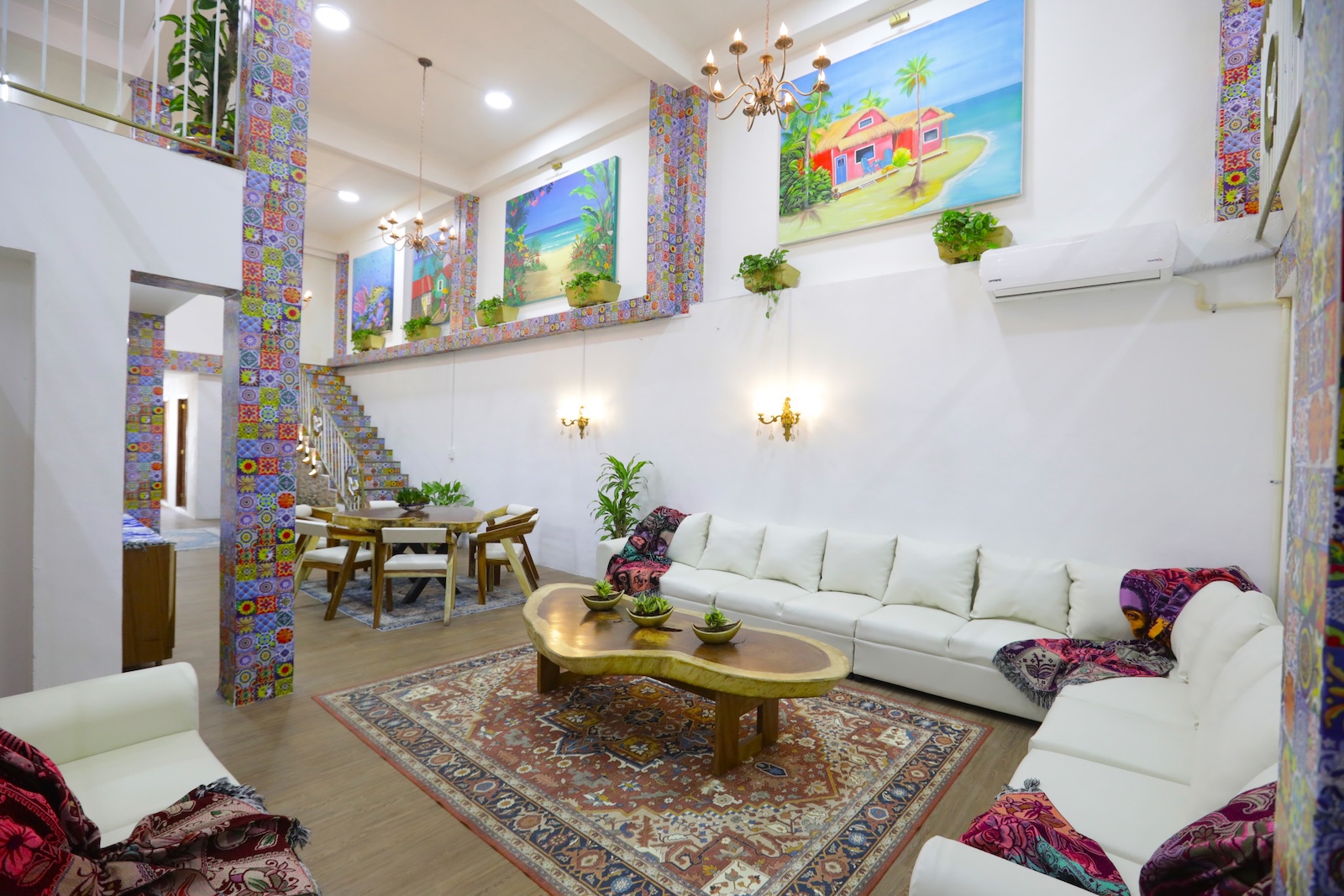
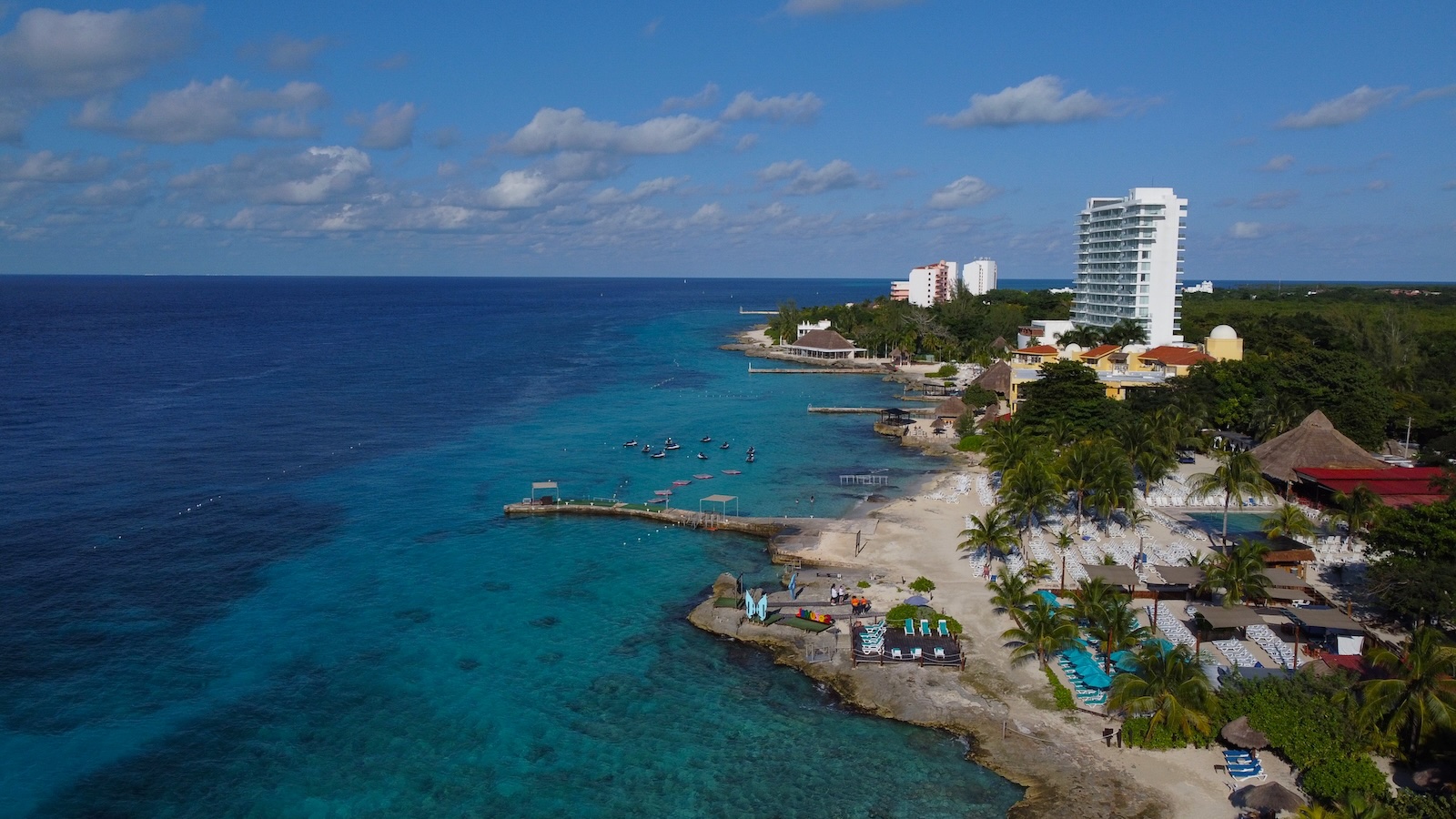
The first conversation is unhurried. Sanctuary listens, answers questions, and helps you figure out whether this is the right place — for you, or for someone you love.
The place you heal is part of the treatment. The first step is a phone call.