✦ Christian Alcohol Rehab · Cozumel, México ✦
Alcohol Addiction Treatment


Alcohol addiction treatment is not only for someone whose life has already fallen apart. A person may still be working, parenting, paying bills, and telling themselves they can cut back. Concern grows when that promise stops holding or when the family starts wondering whether stopping could itself be risky.
Physical dependence can make alcohol withdrawal dangerous, so the next step is not simply to quit. It is to understand the drinking pattern, withdrawal risk, health, and support needs.
Sanctuary Clinics Cozumel
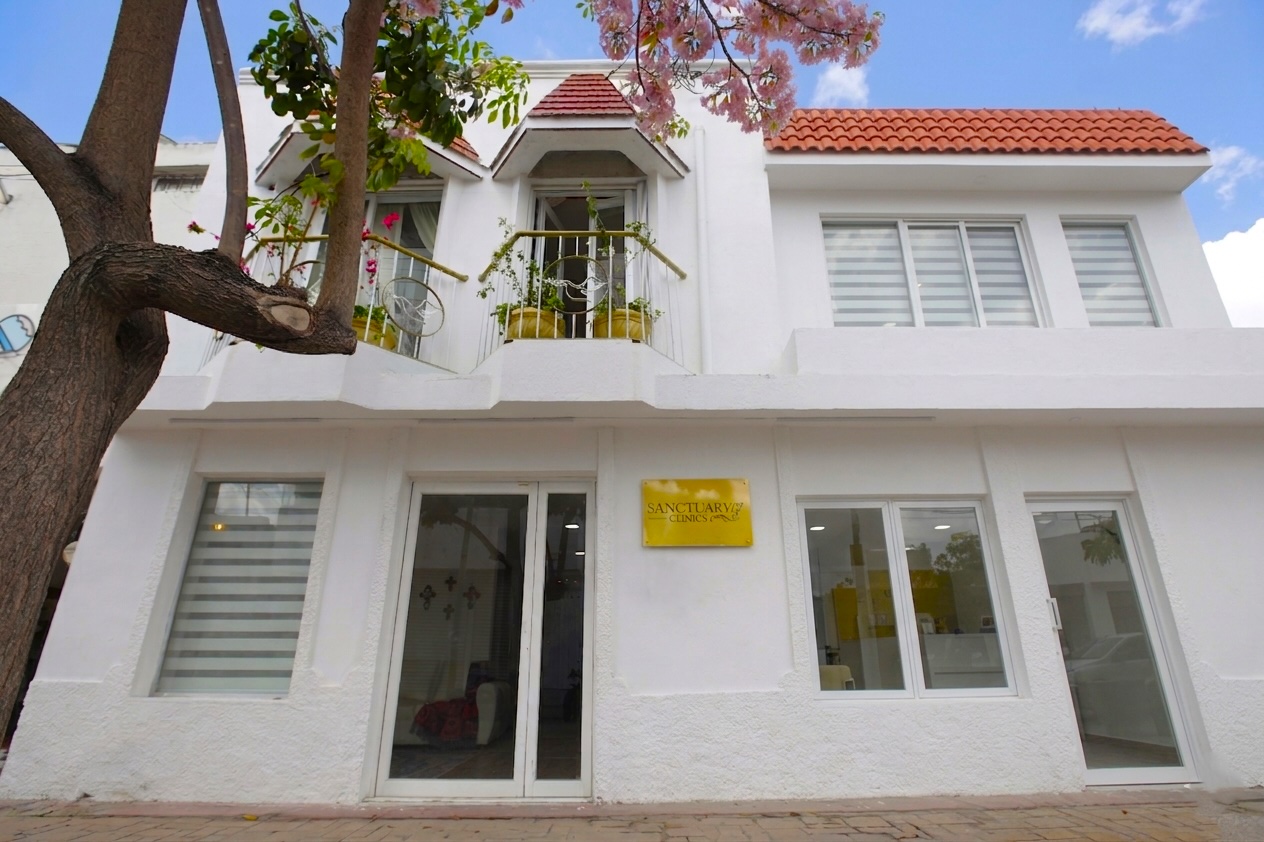
Sanctuary Clinics Cozumel is a Christ-centered residential treatment program in Cozumel, Mexico, with 24 beds and 24-hour supervised care. Its clinical team includes named physicians, clinical leadership, psychology, therapy, and nursing staff. Dr. Thomas Rayner is board-certified in psychiatry and is part of the psychiatric team. The standard 30-day residential program is $4,500, paid in full before arrival.
- 24-bedChrist-centered residential setting
- 24-hoursupervised residential care
- $4,500standard 30-day residential program, paid in full before arrival

Christ-
Centered
If this is an emergency: If you suspect an overdose, call 911 or the local emergency medical service if you are outside the United States, immediately. In the United States, the 988 Suicide & Crisis Lifeline is available 24 hours a day by call or text at 988. SAMHSA's National Helpline is 1-800-662-4357, free and confidential, 24 hours a day, 365 days a year.
Alcohol withdrawal can also become medically dangerous. A person who may be physically dependent on alcohol should get medical guidance before suddenly stopping or sharply reducing alcohol use. A seizure, severe confusion, hallucinations, loss of consciousness, serious breathing difficulty, or another immediate medical emergency requires emergency medical care.
Alcohol Use Disorder
Can AUD exist before life falls apart?
Yes. Alcohol Use Disorder can be present while someone is still working, caring for family, or keeping up with ordinary responsibilities. AUD is diagnosed from a pattern of symptoms, not from whether life already looks visibly collapsed. NIAAA describes mild, moderate, and severe AUD according to how many diagnostic criteria are present.
Repeated attempts to cut down that do not hold can be one sign. Craving, drinking more or longer than intended, continued drinking despite health or relationship problems, tolerance, withdrawal, or giving up important activities can also matter.
The point is not to wait for a dramatic consequence before taking the pattern seriously. A person may still look responsible from the outside while the private effort required to control drinking keeps increasing.
Alcohol may also be part of a wider substance-use concern. Sanctuary's other addictions we treat information can help identify the other treatment areas that may need attention.
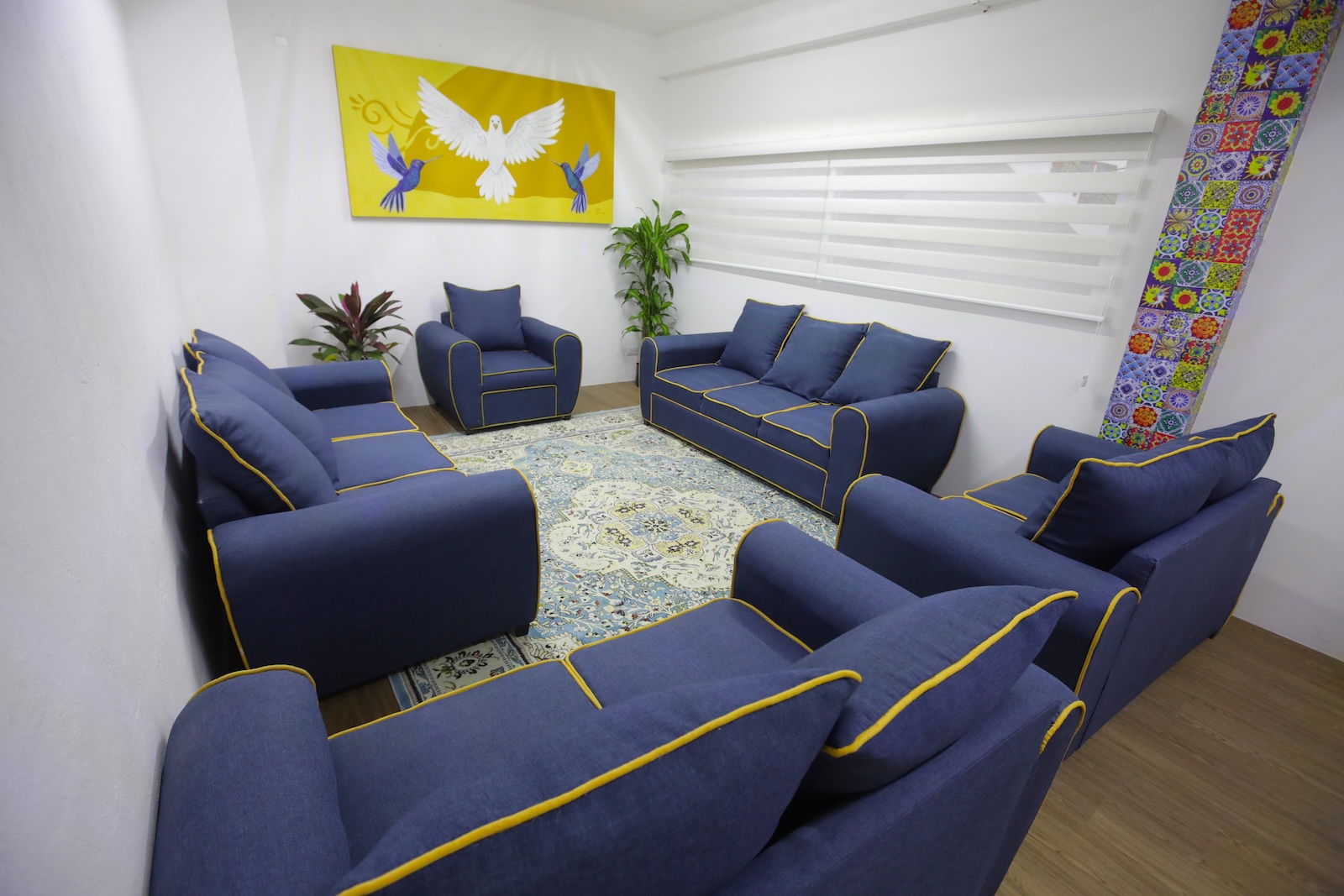
Before a
crisis
Withdrawal Risk
When does cutting back become a medical risk?
For someone who has developed physical dependence, stopping alcohol or sharply reducing it can trigger withdrawal. Severity varies. Some people have milder symptoms, while others can develop complications that require urgent medical care.
Severe alcohol withdrawal can include seizures and delirium tremens. Delirium tremens can involve severe confusion, agitation, fever, hallucinations, and dangerous changes in heart rhythm. A history of severe withdrawal, seizures, prolonged heavy drinking, or other medical problems can change the level of monitoring that is needed.
Withdrawal management has a specific job. It addresses the immediate physical risks of stopping alcohol. ASAM emphasizes that withdrawal management by itself is not effective treatment for Alcohol Use Disorder and should be connected to continuing AUD care.


Sanctuary handles withdrawal through a separate medical detox pathway when screening identifies a withdrawal-management need.
Medical detox is a separate program from the 30-day residential program, with its own admission and its own cost. The $4,500 residential rate does not include detox. Whether someone needs detox before residential care is decided during clinical assessment.
Alcohol used alongside sedatives can change the medical picture. If benzodiazepines are also involved, Sanctuary's benzodiazepine addiction treatment information covers the class-specific dependence and withdrawal questions.
If opioids are also part of the concern, Sanctuary's opioid addiction treatment information covers the separate OUD, overdose, withdrawal, and medication questions.




Continuing AUD Treatment
What does alcohol addiction treatment involve beyond withdrawal?
Withdrawal management solves an acute medical problem. Continuing AUD treatment addresses the drinking disorder after that stage. NIAAA describes several evidence-based treatment options, including behavioral treatment and FDA-approved medications, delivered in different settings according to the person's needs.
Therapy
Behavioral treatment


01
Patterns and triggers Behavioral treatment can help a person examine drinking patterns, triggers, coping, motivation, and the situations in which alcohol keeps regaining a place in daily life. Behavioral care can help people set goals, build skills, manage stress, and strengthen support.


02
Individual and group Sanctuary provides both individual therapy and group therapy within the 30-day residential program.


03
Co-occurring care A separate mental-health diagnosis changes the care plan rather than becoming part of the alcohol diagnosis. Where co-occurring care is needed, Sanctuary states that it treats substance-use and mental-health conditions together through Dual Diagnosis Treatment.
Medication
Medications for AUD
Three medications are approved by the U.S. FDA for Alcohol Use Disorder: naltrexone, acamprosate, and disulfiram.
A 2023 JAMA systematic review and meta-analysis included 118 clinical trials and 20,976 participants. In conjunction with psychosocial interventions, the findings supported oral naltrexone and acamprosate as first-line pharmacotherapies for AUD. The review also noted variation across study populations and treatment settings.
Medication is not required for every person with AUD, and the choice belongs with a qualified clinician. The medication list above describes AUD treatment generally. Sanctuary's public program pages do not confirm that all three are routinely used in the standard 30-day Cozumel program, so a specific medication question should be confirmed with the clinical team.
FDA-approved for Alcohol Use Disorder
- Naltrexone
- Acamprosate
- Disulfiram
Residential Care
When does residential alcohol care add value?
The residential question becomes meaningful after the immediate withdrawal issue has been separated from the longer drinking pattern. At that point, the issue is whether a person can stay engaged in continuing AUD treatment outside a structured setting.
Repeated private attempts to cut back may keep returning to the same drinking routines, stressors, access to alcohol, or home circumstances. A 24-bed setting gives the person a defined period away from those routines, with individual therapy, therapeutic groups, standard medical management, and care coordination continuing during the stay.
That structure can also matter when an independent mental-health condition, family strain, or difficulty staying engaged in outpatient care is affecting the treatment plan. Sanctuary states that it treats substance-use disorders alongside co-occurring mental-health conditions.
Residential care is not required for everyone with AUD. Effective AUD treatment can take place in several settings, including outpatient and primary-care settings. The residential question is whether added structure would solve a problem that is not being solved well enough outside treatment.
Cost, Admissions & Travel
What does alcohol treatment cost before traveling to Cozumel?
Alcohol changes the order of the practical decision because withdrawal safety may need to be settled before a 30-day residential stay is discussed. Admissions can then use the drinking history, withdrawal history, mental-health needs, previous treatment, and home circumstances to inform the proposed continuing-care plan.
According to Sanctuary's dedicated Admissions process, clinical evaluation and treatment planning are completed before cost is confirmed and the trip is arranged. The standard 30-day residential rate is $4,500. The $4,500 rate is paid in full before arrival. Sanctuary does not offer payment plans, financing, loans, or installments.
The treatment cost page lists lodging, meals, daily clinical care, individual therapy, group meetings, standard medical management, chapel, and community life within the base rate. Specialty modalities are billed separately when they are added to the treatment plan.
Comparable U.S. residential programs may cost $15,000 to $30,000 per month.
Comparable U.S. residential programs
$15–30K
$15,000 to $30,000 per month
VS
Sanctuary Clinics Cozumel
$4,500
Standard 30-day residential rate, paid in full before arrival
Sanctuary Clinics Cozumel can provide a superbill on request that you may submit to your own insurer for possible out-of-network or out-of-country reimbursement. Sanctuary does not bill insurance directly and does not file claims on your behalf. Whether any portion is reimbursed is between you and your insurer, and reimbursement is never guaranteed.
Travel planning belongs only after Sanctuary has explained the proposed alcohol care and total price. The travel and logistics guide covers the practical route to Cozumel and arrival preparation. Families who want to know whether rehab in Mexico is safe can read our safety guide.
Review Alcohol Care With Admissions
The care line at (888) 660-6952 is answered 24 hours a day.
Common Questions
Alcohol addiction treatment FAQs
Can AUD be present even when someone is still working or managing family responsibilities?
Yes. AUD is diagnosed from a pattern of symptoms and can be mild, moderate, or severe. Continuing to work, parent, or manage a household does not by itself rule out AUD.
Can alcohol withdrawal begin after cutting down rather than completely stopping?
Yes. Withdrawal can occur when a physically dependent person stops drinking or significantly reduces alcohol use. Severe symptoms can be dangerous and need medical care.
Is alcohol withdrawal management the same as AUD treatment?
No. Managing withdrawal handles the short-term physiological problem. ASAM states that withdrawal management alone is not effective treatment for AUD and should lead into continuing treatment.
What medication options exist for AUD?
Naltrexone, acamprosate, and disulfiram are approved by the U.S. FDA for AUD. Medication choice depends on the person's health, other medicines, goals, and clinical circumstances.
Does medical treatment conflict with Christian alcohol care?
No. Christian care and medical treatment have different roles. Withdrawal care and medication decisions remain clinical matters, and receiving them is not evidence of weak faith.
When can residential care help after repeated cut-back attempts?
Residential care may be worth evaluating when repeated attempts to change drinking keep breaking down in the same home or daily environment. Previous treatment, mental-health needs, family or living circumstances, and difficulty staying engaged in outpatient care can all influence that decision. AUD alone is not enough reason to choose a residential setting.