✦ Christian Residential Treatment · Cozumel, México ✦
Pre-Admission Assessment
A pre-admission assessment is a phone conversation with a member of the clinical intake team at Sanctuary Clinics Cozumel, usually 30 to 60 minutes, before anyone books a flight or pays anything. It exists to answer one question honestly: is this the right level of care for this person. Nobody is admitted off a form.
Sanctuary Clinics Cozumel
If you are the one making the call, you are not signing up for anything yet. You are giving the intake team enough information to tell you, clearly, whether Sanctuary is a fit, and if it is, what the next weeks look like.
- 24-hoursupervised residential care
- $4,500standard 30-day residential program, paid in full before arrival

Christ-
Centered
The Assessment Call
What happens during a pre-admission assessment before rehab?


01
The call is a structured conversation, not an interrogation. A licensed member of the clinical team asks about substance use history, current medications, any medical conditions, prior treatment attempts, and what daily life looks like right now. Family members are welcome on the call when the person themselves cannot or will not join yet, though the clinical picture is always fuller when the person seeking treatment speaks for themselves.


02
The person on the other end of the call is trained to slow down, not rush toward a yes. If your loved one has been through detox before, or has a diagnosis that changes what care looks like, that gets asked about specifically. The goal is a real clinical picture, built from what you tell them, not a sales pitch dressed up as a screening.


03
By the end of the call, you should know whether Sanctuary can meet this person's needs, what the first days on the island will actually look like, and what happens next if the answer is yes. If the answer is yes, the next step is preparing for treatment.
What the Call Asks
What does a pre-admission assessment actually ask?
Nobody asks a trick question on this call. A composite example, built from common intake patterns rather than any real client: a mother calls about her adult son. The intake counselor asks when he last used, what he used, whether he has ever gone through withdrawal unsupervised, what medications he currently takes, whether he has any chronic health conditions, and whether he has been in treatment before and what happened when he left.
None of this is designed to catch anyone in a lie. Families under-report use out of shame more often than they exaggerate it, and the intake team knows that. The intake counselor is checking one thing: whether Sanctuary's 30-day supervised residential program matches what this specific person needs.
That matters because not every situation calls for the same starting point. Medical detox is a separate program from the 30-day residential program, with its own admission and its own cost. Whether someone needs detox before residential care, and which setting is appropriate, is a clinical decision made during assessment rather than a package a family selects. If detox comes up on your call, the intake team will explain what that means for your situation and connect you with the detox program directly.
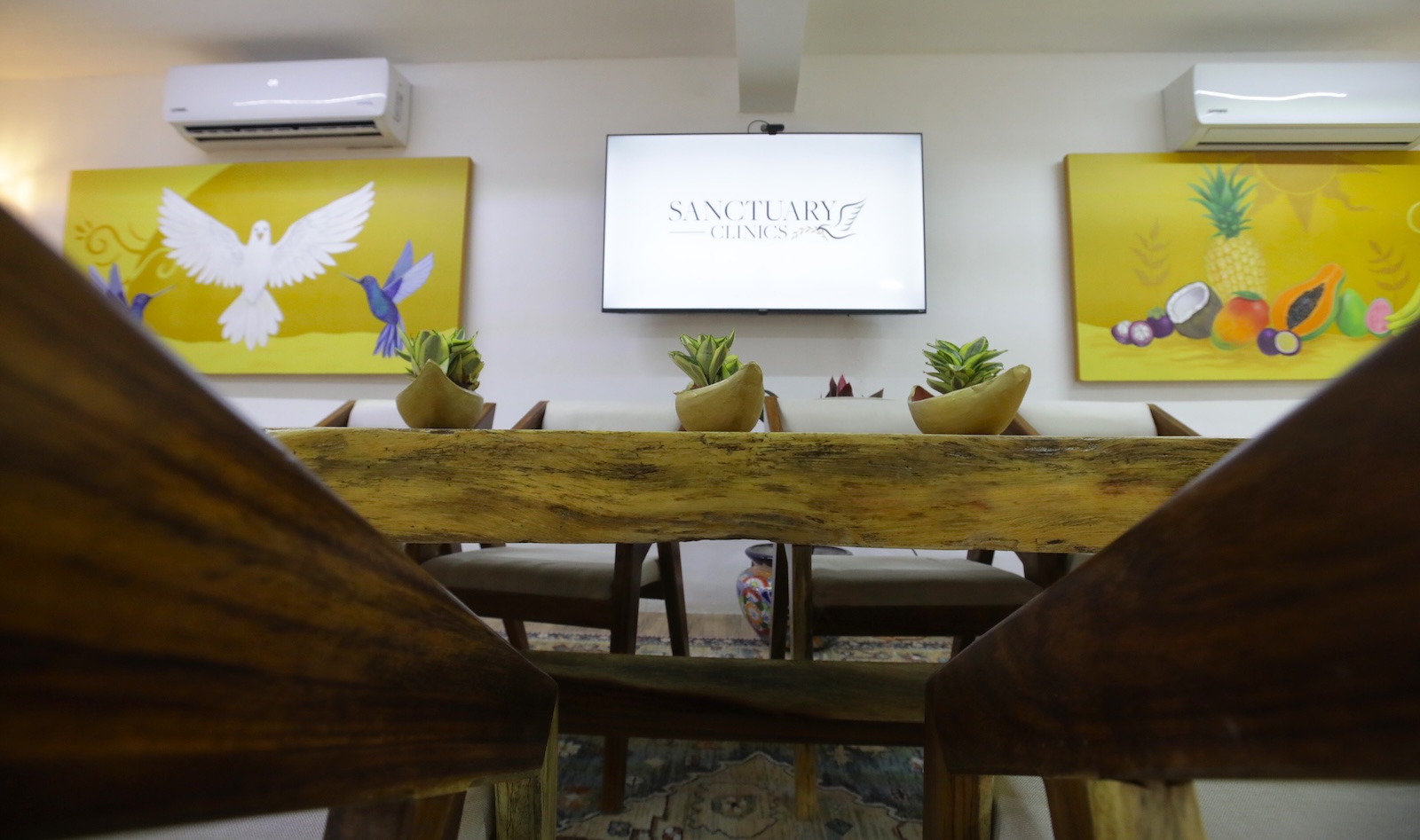
A Christian Counselor
Is the assessment conversation with a Christian counselor?
Yes. The person conducting the pre-admission assessment is part of Sanctuary's clinical team, and that team operates from a Christian foundation, not as an add-on but as how the work is done. Prayer is offered on the call if you want it. It is never forced on you if you don't.
The counselor treats addiction as a medical condition that also carries spiritual weight, and asks about faith background alongside clinical history because both shape what recovery will require. A family that has been praying for a son or daughter for years is often relieved to find that the first person they talk to about treatment already understands why that matters, without needing it explained.
This is not a retreat with a chaplain visiting once a week. Faith is part of the clinical conversation from the first call, and it stays part of the daily structure once someone is admitted.

Christ-
Centered
A Real Medical Clinic
Is Sanctuary Clinics Cozumel a real medical clinic conducting this assessment?
Yes, and the assessment itself is evidence of that. Sanctuary's clinical team includes two physicians, a clinical director, a psychologist, a therapist, and a director of nursing, all named on the team page. Dr. Rayner is board certified in psychiatry by the American Board of Psychiatry and Neurology, holds a DEA registration, and carries a buprenorphine waiver for medication-assisted treatment. Sanctuary provides 24-hour supervised residential treatment, and when detox applies, a physician supervises it with daily vitals, withdrawal scoring, and clinical check-ins.
A pre-admission assessment run by people without clinical training would just be an intake form with a friendlier voice attached. Sanctuary's version is a licensed clinician deciding, based on your specific history, whether the program fits, and saying so plainly if it does not.

Cost
How much does the assessment cost, and what is due before arrival?
The pre-admission assessment itself is free. It costs nothing to call and talk through your situation, and nothing is expected of you for making it.
If Sanctuary is the right fit and you decide to move forward, the standard 30-day residential program is $4,500, paid in full before arrival. That is the figure the intake team will confirm with you directly, along with exactly what it covers, before you book travel or make any other arrangements. There is no financing arranged through Sanctuary, no installment plan, and no discounted or sliding-scale rate. $4,500 is the standard rate for the 30-day residential program, and the intake team will tell you plainly if your situation, such as a detox need, changes what the total comes to.
Where It Happens
Where does the assessment happen, and where is the clinic in Mexico?
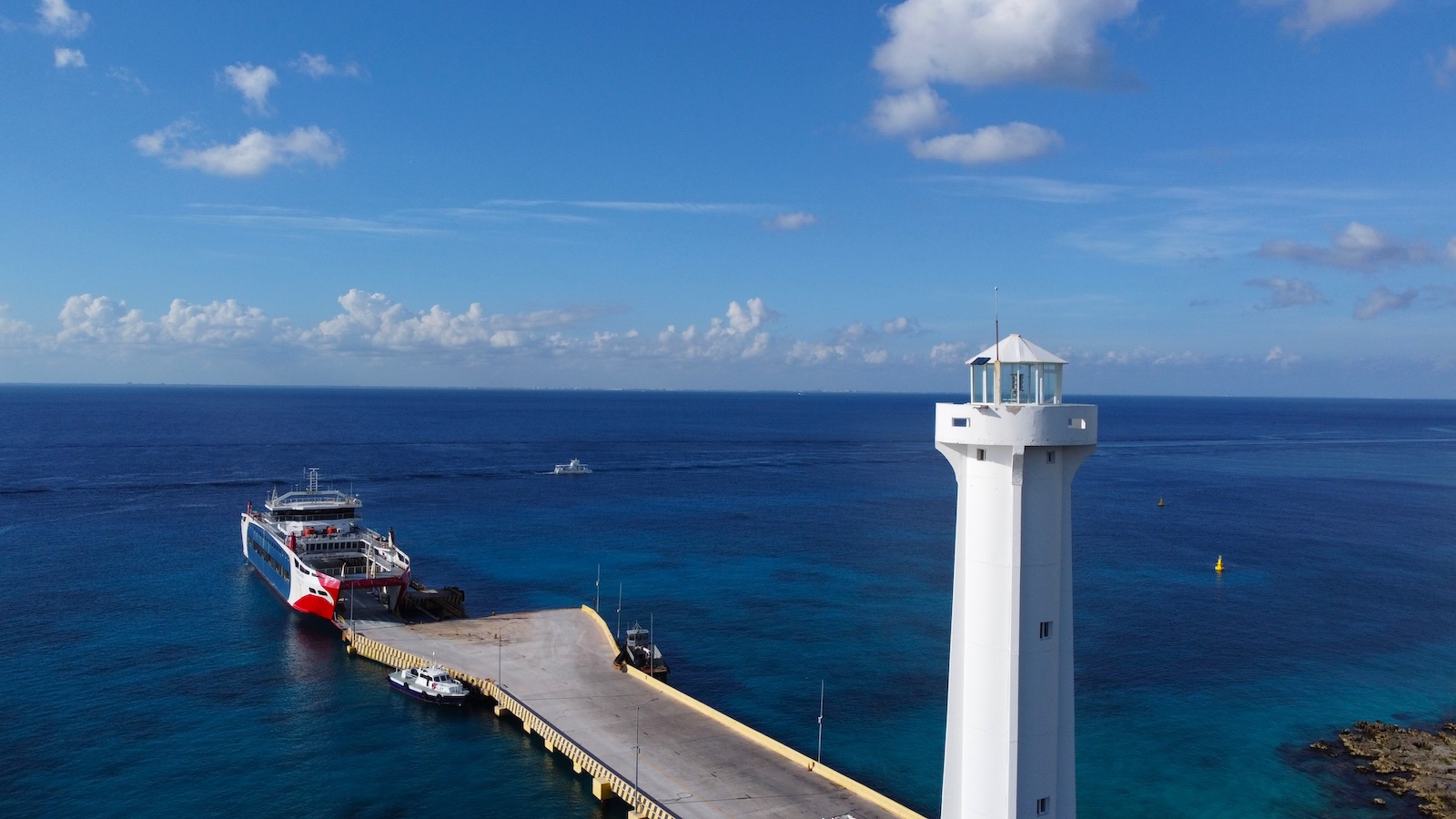
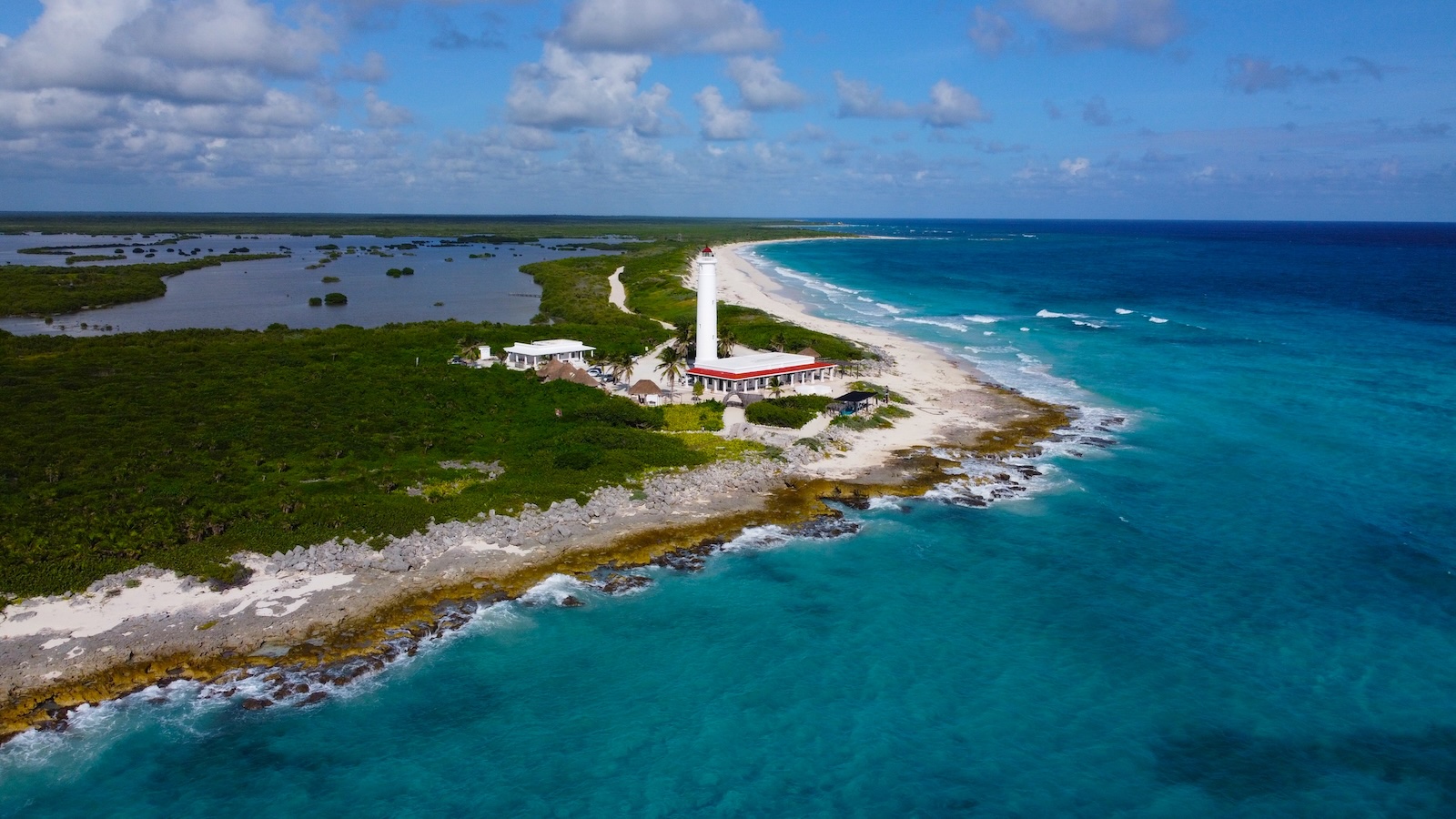
The assessment itself happens over the phone, wherever you are. You do not need to travel to have this conversation. Sanctuary Clinics Cozumel is on Cozumel Island, off Mexico's Caribbean coast. Residential treatment happens there once someone is admitted.
Families calling from the United States sometimes assume a Mexico-based clinic means a lower standard of oversight. The intake call usually corrects that assumption fast, since the person asking the questions is the same clinical team responsible for care once your loved one is on the island.





Common Questions
Pre-admission assessment FAQs
How long does the pre-admission assessment take?
Most calls run 30 to 60 minutes. Complicated medical or psychiatric histories can take longer, since the clinical team would rather ask more questions upfront than miss something once someone is admitted.
Does insurance cover the pre-admission assessment?
The assessment itself is free regardless of insurance. Sanctuary does not bill insurance directly for treatment, but a superbill is available on request after admission, which the client can submit to their own insurer for possible reimbursement. Reimbursement is never guaranteed.
Can my loved one refuse to take part in the assessment?
Yes, and if that happens, the intake team will tell you honestly what that means for admission. A full picture built with the person's own participation gives the clinical team the clearest read on what care they need. A call built entirely secondhand through a family member is still useful, but it has real limits.
What happens if the assessment shows a higher level of care is needed?
The intake team will tell you directly, rather than admitting someone into a program that will not meet their needs. If detox or another level of care comes first, they will explain what that involves and where to go next, including a referral to the detox program when that applies.