✦ Christian Opioid Rehab · Cozumel, México ✦
Opioid Addiction Treatment


Opioid addiction treatment can become a real question after one moment changes the picture. Maybe naloxone was needed. Maybe someone who said they would stop is using again. Maybe pain medication that once had a clear purpose now feels hard to control. Families do not always know whether they are looking at physical dependence, addiction, or both. They just know the situation is getting harder to ignore.
Those differences matter. Physical dependence can happen during prescribed opioid use without automatically establishing Opioid Use Disorder, or OUD. Overdose history, withdrawal, mental health, previous treatment, and what is happening at home can all affect the next treatment decision.
Sanctuary Clinics Cozumel
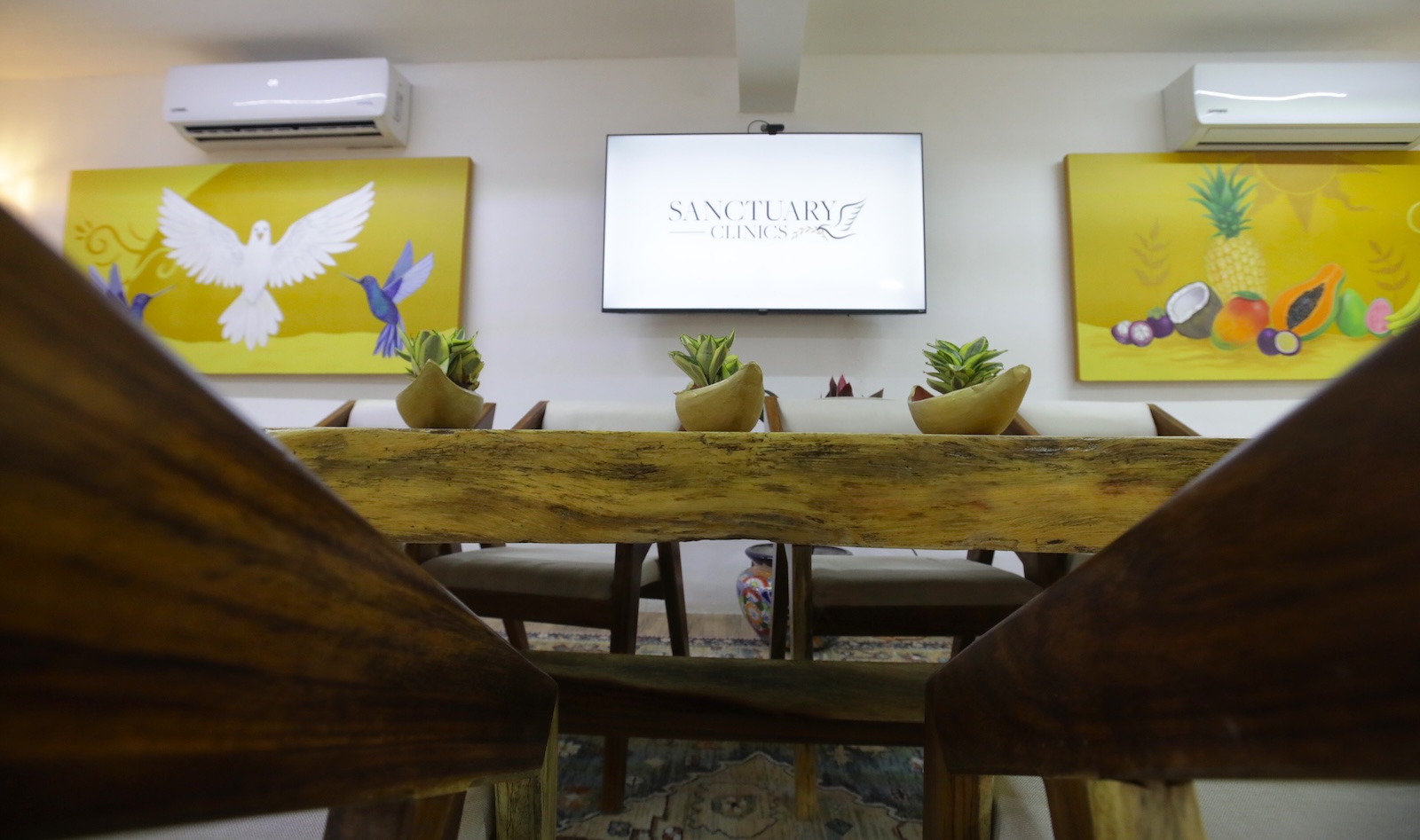
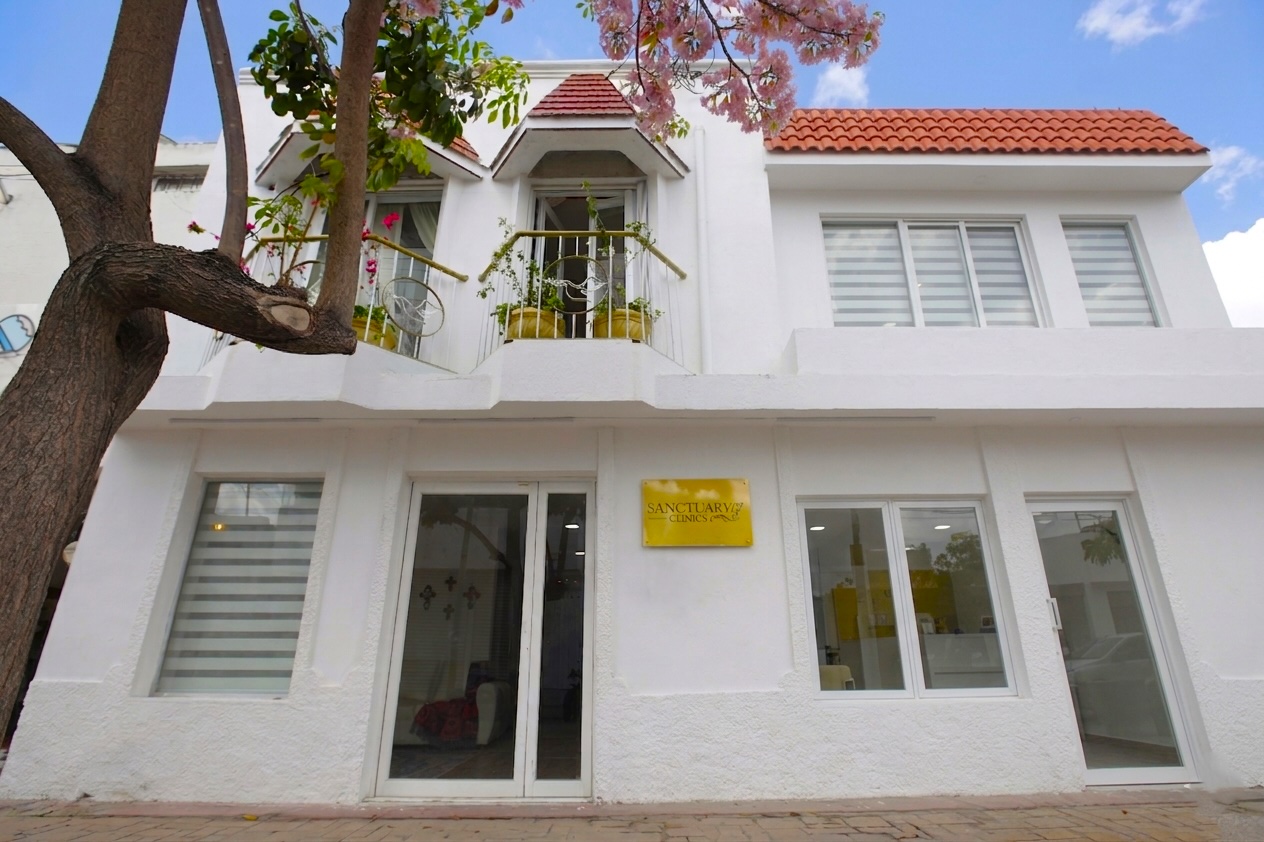
Sanctuary Clinics Cozumel is a Christ-centered residential treatment program in Cozumel, Mexico, with 24 beds and 24-hour supervised care. Its clinical team includes named physicians, clinical leadership, psychology, therapy, and nursing staff. Dr. Thomas Rayner is board-certified in psychiatry by the American Board of Psychiatry and Neurology and holds a DEA registration that authorizes buprenorphine prescribing for medication-assisted treatment. The standard 30-day residential program is $4,500, paid in full before arrival.
- 24 beds
- 24-hour supervised care
- $4,500 standard 30-day residential program, paid in full before arrival

Christ-
Centered
Opioid overdose safety: If this is an emergency. If you suspect an overdose, call 911 or the local emergency medical service if you are outside the United States, immediately. In the United States, the 988 Suicide & Crisis Lifeline is available 24 hours a day by call or text at 988. SAMHSA's National Helpline is 1-800-662-4357, free and confidential, 24 hours a day, 365 days a year. If an opioid overdose is suspected and naloxone is available, give it while emergency help is on the way.
- 911 If you suspect an overdose (or the local emergency medical service outside the United States)
- 988 988 Suicide & Crisis Lifeline, by call or text, 24 hours a day
- 1-800-662-4357 SAMHSA's National Helpline, free and confidential, 24 hours a day, 365 days a year
Dependence vs. OUD
How do prescribed opioid use, dependence, and OUD differ?
01
Tolerance & physical dependence Opioids may be prescribed appropriately for pain, and regular exposure can lead to tolerance or physical dependence. Tolerance means the body responds less to the same amount over time. Physical dependence means the body has adapted to opioid exposure, so withdrawal can occur when use stops or is reduced.
02
Not OUD on their own Neither condition alone establishes Opioid Use Disorder. CDC's DSM-based criteria look for a wider problematic pattern of opioid use. For someone taking opioids solely under appropriate medical supervision, tolerance and withdrawal do not by themselves count toward those OUD criteria.
03
Why the difference matters That difference matters because prescribed dependence may call for a medication-management or withdrawal question, while OUD requires treatment of the disorder itself. If prescribed medication is being misused, Sanctuary's prescription drug addiction treatment information covers the broader prescription-drug relationship.
Three Different Questions
How do overdose, withdrawal, and OUD require different care?
-
 01
Suspected overdose
An overdose is the emergency part of the picture. Naloxone can reverse an opioid overdose, but emergency medical care is still required. Whether OUD is present is assessed after immediate safety has been addressed.
-
 02
Withdrawal after physical dependence
Physical dependence can lead to withdrawal when opioid use stops or decreases. Some people need supervised withdrawal management. Sanctuary has a separate medical detox program for withdrawal-management questions.
Medical detox is a separate program from the 30-day residential program, with its own admission and its own cost. The $4,500 residential rate does not include detox. Whether someone needs detox before residential care, and which setting is appropriate, is a clinical decision made during assessment rather than a package a family selects.
Detox does not replace continuing OUD treatment. CDC advises that detoxification on its own, without medication treatment for OUD, is not recommended because of increased risks of resuming opioid use, overdose, and overdose death.
-
 03
Ongoing opioid use disorder
OUD is the continuing treatment question. Heroin and fentanyl are opioids, but their substance-specific risks belong on their own pages. Sanctuary's heroin addiction treatment and fentanyl addiction treatment information can provide that deeper context when either substance is central to the concern.
If overdose history, withdrawal, and ongoing opioid use are all part of the same picture, Admissions can explain what information Sanctuary would review before discussing residential care.

Medication for OUD
Why is MOUD central to OUD treatment?
Medication treatment is one of the main evidence-based treatments for Opioid Use Disorder. CDC reports that MOUD is associated with lower overdose risk and lower overall mortality. FDA-approved medications for OUD include buprenorphine, methadone, and naltrexone.
These medications are not interchangeable. The right option depends on clinical circumstances, and this page does not provide dosing, induction instructions, or a medication-selection protocol.
Psychosocial treatment can also be offered according to individual need. CDC notes an important boundary: declining psychosocial treatment, or not having it available, should not automatically delay or prevent medication treatment for OUD.
Sanctuary lists Medication Management among its current services, and the standard residential program includes medical management. Its published program information does not confirm routine availability of all three FDA-approved OUD medications in the standard 30-day program. Medication options need to be confirmed with the clinical team.
FDA-approved medications for OUD
- Buprenorphine
- Methadone
- Naltrexone
Therapy and Co-Occurring Care
What else matters alongside MOUD?
MOUD can address the opioid disorder while other needs are treated alongside it. Mental-health conditions, other substance use, medical history, previous treatment, family or living circumstances, and difficulty staying engaged in care can all affect the wider plan.
Sanctuary's residential program includes individual therapy and therapeutic groups. A separate mental-health condition can also require Dual Diagnosis Treatment alongside OUD.
These services should not be presented as prerequisites for MOUD. Their role is to address needs that medication alone is not intended to solve.
Other substance use can add separate treatment needs. If another substance also needs treatment, Sanctuary's other addictions we treat information can direct the family to the relevant substance-specific care page.

Faith and Medical Care
Can Christian opioid treatment include MOUD?
Yes. Christian opioid treatment can include clinically appropriate MOUD. Medication treatment does not make recovery less real, and receiving naloxone, withdrawal care, or MOUD is not evidence that a person's faith is weak.
That distinction is especially important for families who feel uncertain about medication-based treatment. OUD is a medical condition. Decisions about buprenorphine, methadone, naltrexone, overdose safety, and withdrawal belong with qualified clinicians.
Sanctuary's Christian role is different. Faith can shape how a person understands responsibility, reconciliation, relationships, prayer, and hope while medical care addresses OUD and safety. For a family weighing MOUD and faith at the same time, Sanctuary's Doctrinal Statement shows the Christian convictions the program brings to that decision.

Faith and
medicine
Residential Care Around OUD
Where does Sanctuary fit into OUD care?
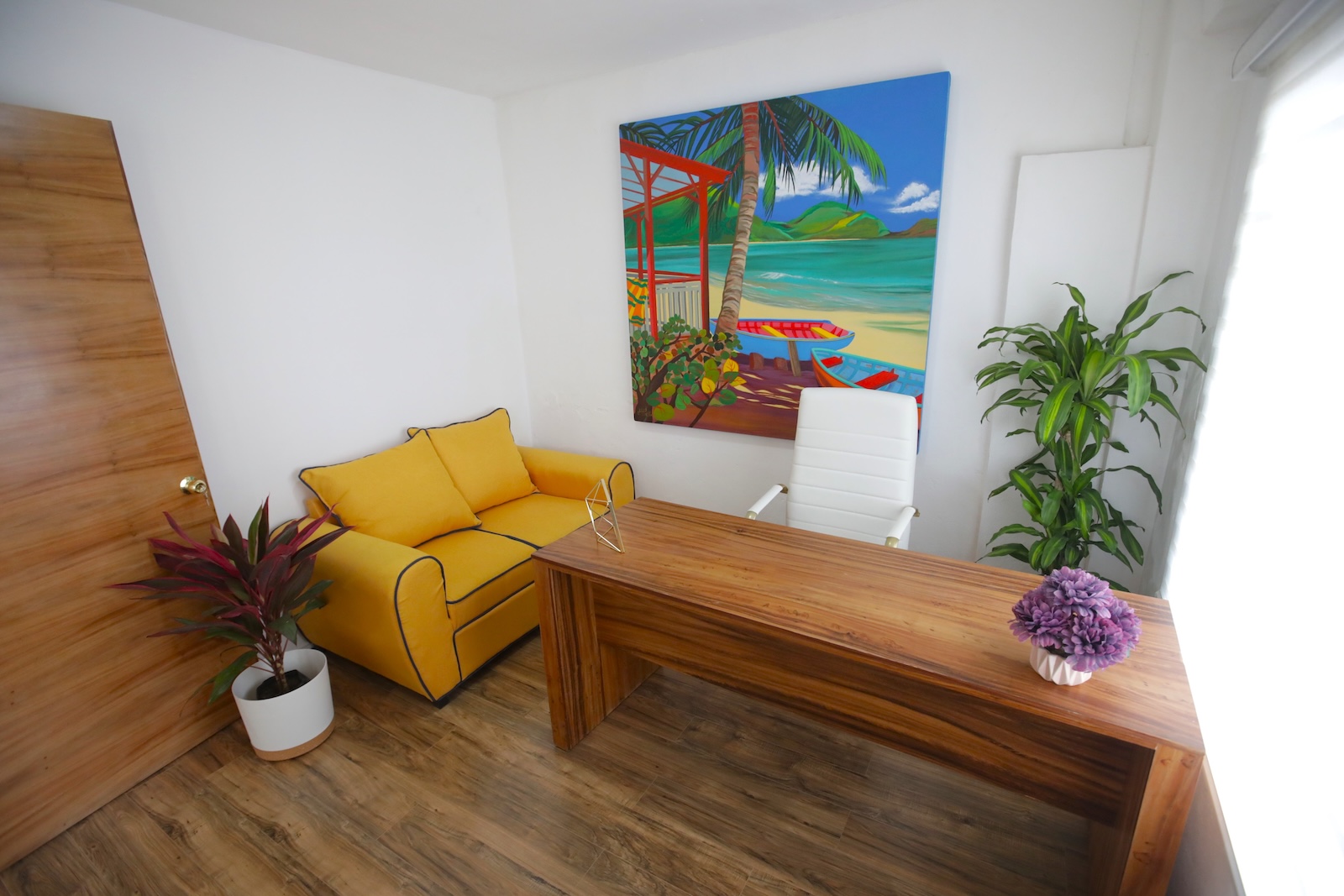
Sanctuary is most relevant when the residential question concerns the needs around OUD rather than treating residence as a substitute for medication. The Cozumel program verifies individual and group clinical care, standard medical management, care coordination, and treatment of co-occurring substance-use and mental-health concerns.
Those services can matter when OUD is accompanied by psychiatric needs, other substance use, repeated difficulty staying engaged in outpatient care, or family and living circumstances that make a structured setting worth evaluating.
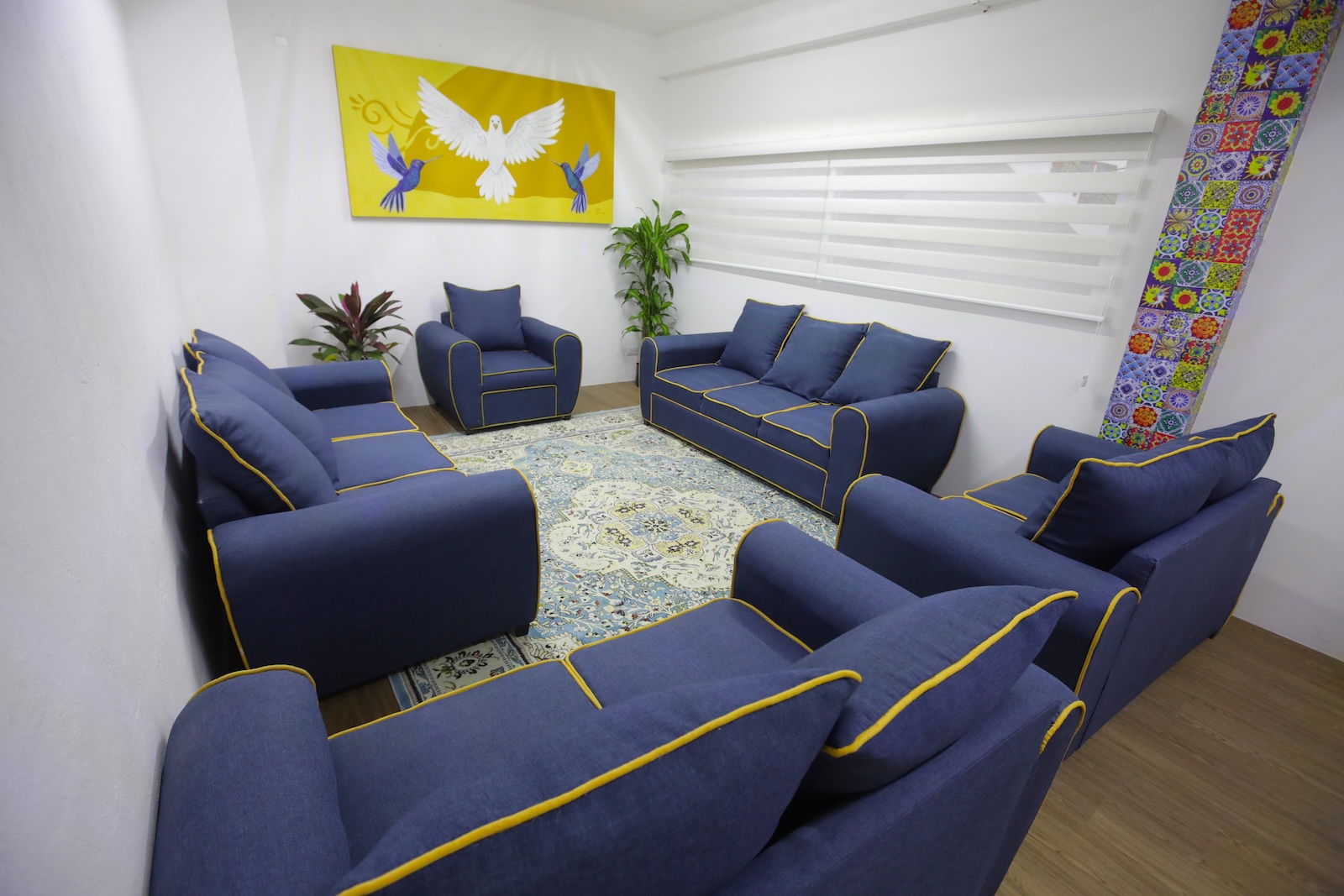
The 24-bed residential environment provides that structure while therapy, medical management, and co-occurring needs are addressed. Sanctuary's Christ-centered community can also matter to someone who wants faith to remain part of treatment.
The limitation is just as important. Sanctuary's published program information does not confirm that every FDA-approved MOUD option is routinely available in the standard residential program. Residential fit and medication availability need separate clinical confirmation.
Ask About Residential Support Around OUD


Cost, Admissions & Travel
What does opioid addiction treatment cost before traveling to Cozumel?
Before travel is planned, the treatment question should be clear enough to know what Sanctuary is being asked to provide. That includes whether OUD is present, whether withdrawal management is needed, whether residential care is being considered, and which medication questions need separate clinical confirmation.
Sanctuary's dedicated Admissions process uses first contact, clinical evaluation, treatment planning, cost confirmation, then travel and arrival. The trip is planned from the proposed treatment plan, not used to decide the treatment plan.
- 1 First contact
- 2 Clinical evaluation
- 3 Treatment planning
- 4 Cost confirmation
- 5 Travel and arrival
Comparable U.S. residential programs
$15–30K
$15,000 to $30,000 per month
VS
Sanctuary Clinics Cozumel
$4,500
Standard 30-day residential rate, paid in full before arrival
The standard 30-day residential rate is $4,500. The $4,500 rate is paid in full before arrival. Sanctuary does not offer payment plans, financing, loans, or installments. The treatment cost page explains the base program and separately priced specialty services. Comparable U.S. residential programs may cost $15,000 to $30,000 per month.
Sanctuary Clinics Cozumel can provide a superbill on request that you may submit to your own insurer for possible out-of-network or out-of-country reimbursement. Sanctuary does not bill insurance directly and does not file claims on your behalf. Whether any portion is reimbursed is between you and your insurer, and reimbursement is never guaranteed.
If the proposed plan moves forward, traveling to Cozumel for treatment covers routes, arrival, and practical preparation. Our guide to the safety of treatment in Mexico answers the questions families ask first.
Call About OUD and MOUD
The care line at (888) 660-6952 is answered 24 hours a day.
Common Questions
Opioid addiction treatment FAQs
Does opioid dependence automatically mean OUD?
No. Physical dependence can develop during prescribed opioid use. Dependence alone does not establish OUD. CDC also notes that tolerance and withdrawal do not count toward those OUD criteria when opioids are taken solely under appropriate medical supervision.
Does opioid withdrawal mean someone has OUD?
No. Withdrawal shows that physical dependence may be present. OUD requires a wider problematic pattern that meets diagnostic criteria.
Why is detox alone not complete treatment for OUD?
Withdrawal management addresses the acute physical stage. CDC advises against detoxification alone as complete OUD treatment because of increased risks of resuming opioid use, overdose, and overdose death.
What medications are approved for opioid use disorder?
Buprenorphine, methadone, and naltrexone are FDA-approved for OUD. A qualified clinician decides whether medication belongs in the treatment plan and which option is appropriate.
Is naloxone the same as MOUD?
No. Naloxone is used to reverse an opioid overdose. MOUD refers to ongoing medications used to treat Opioid Use Disorder, including buprenorphine, methadone, and naltrexone.
Does Sanctuary automatically provide buprenorphine, methadone, or naltrexone?
No automatic availability should be assumed. Sanctuary's current public information does not clearly verify that its standard 30-day Cozumel residential program routinely provides all three medications. Medication availability and suitability should be confirmed with the clinical team.